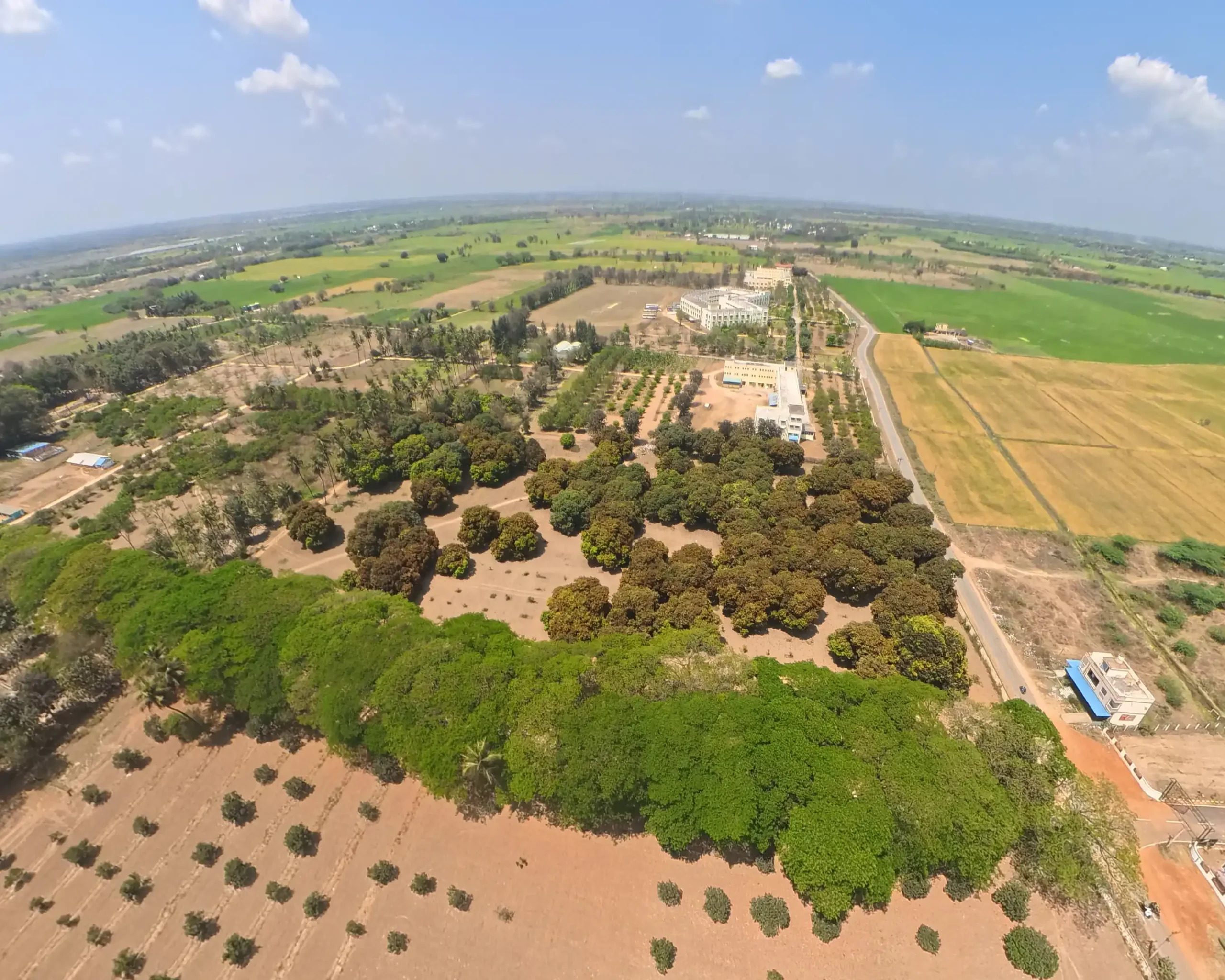
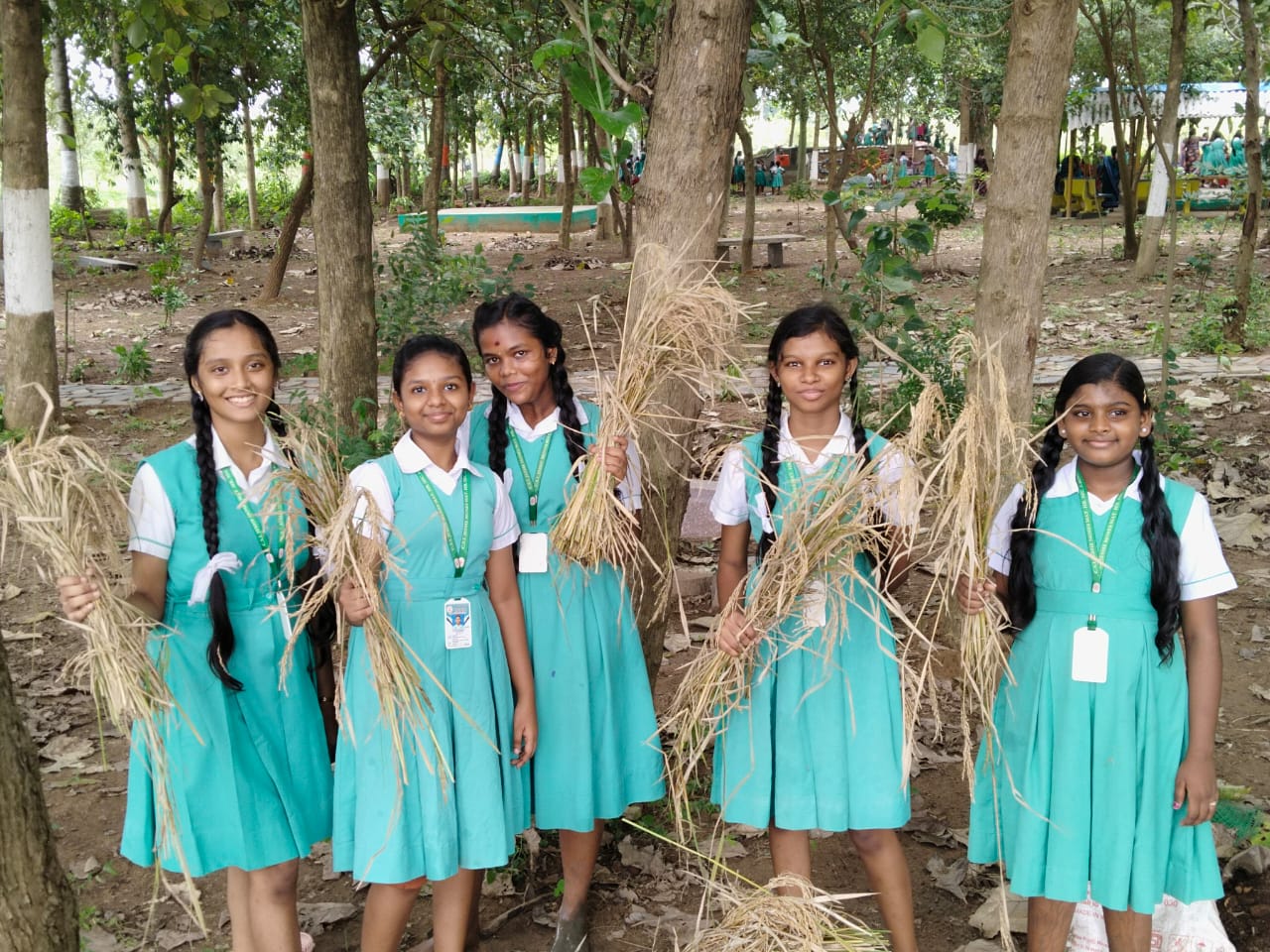
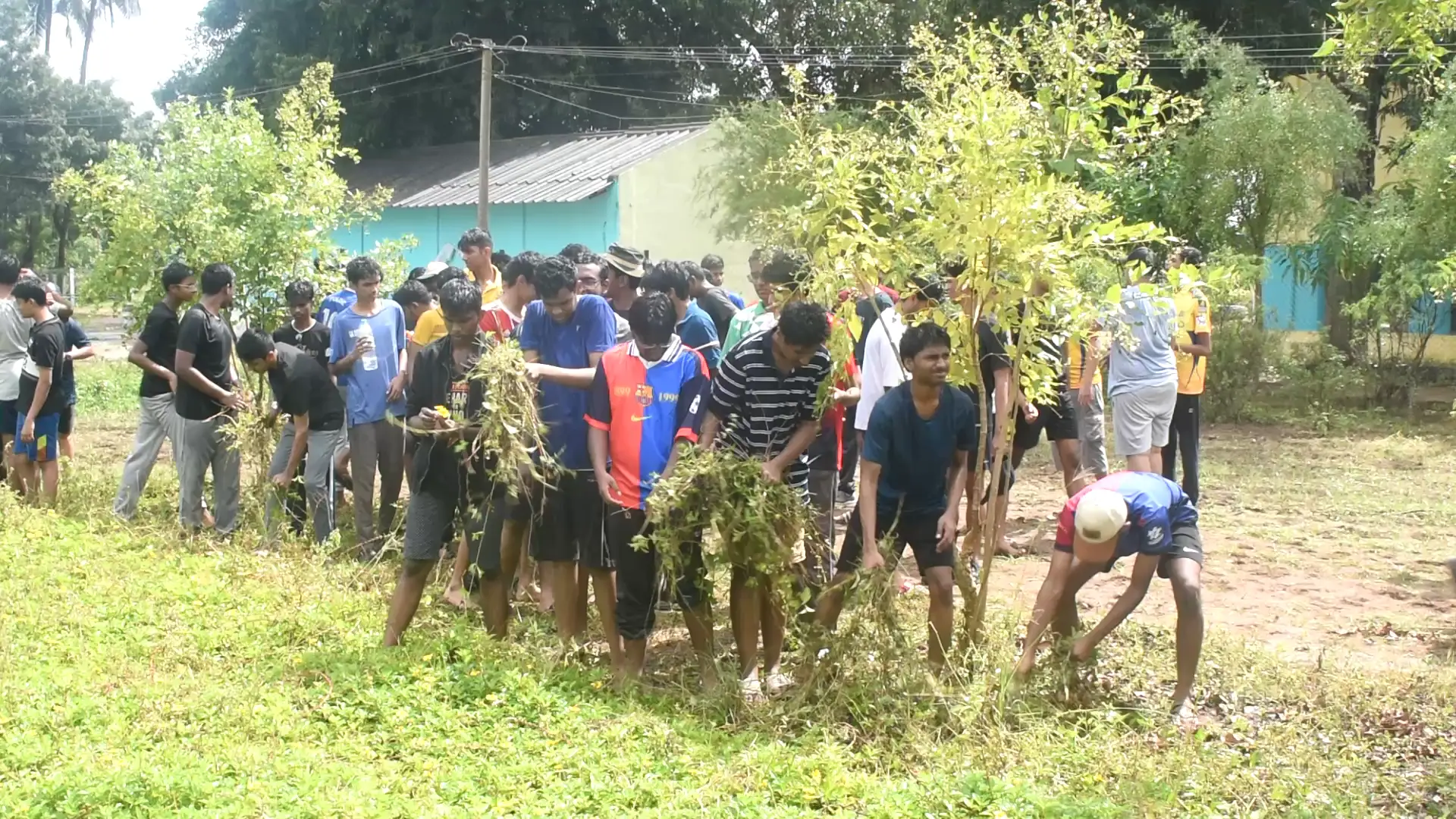
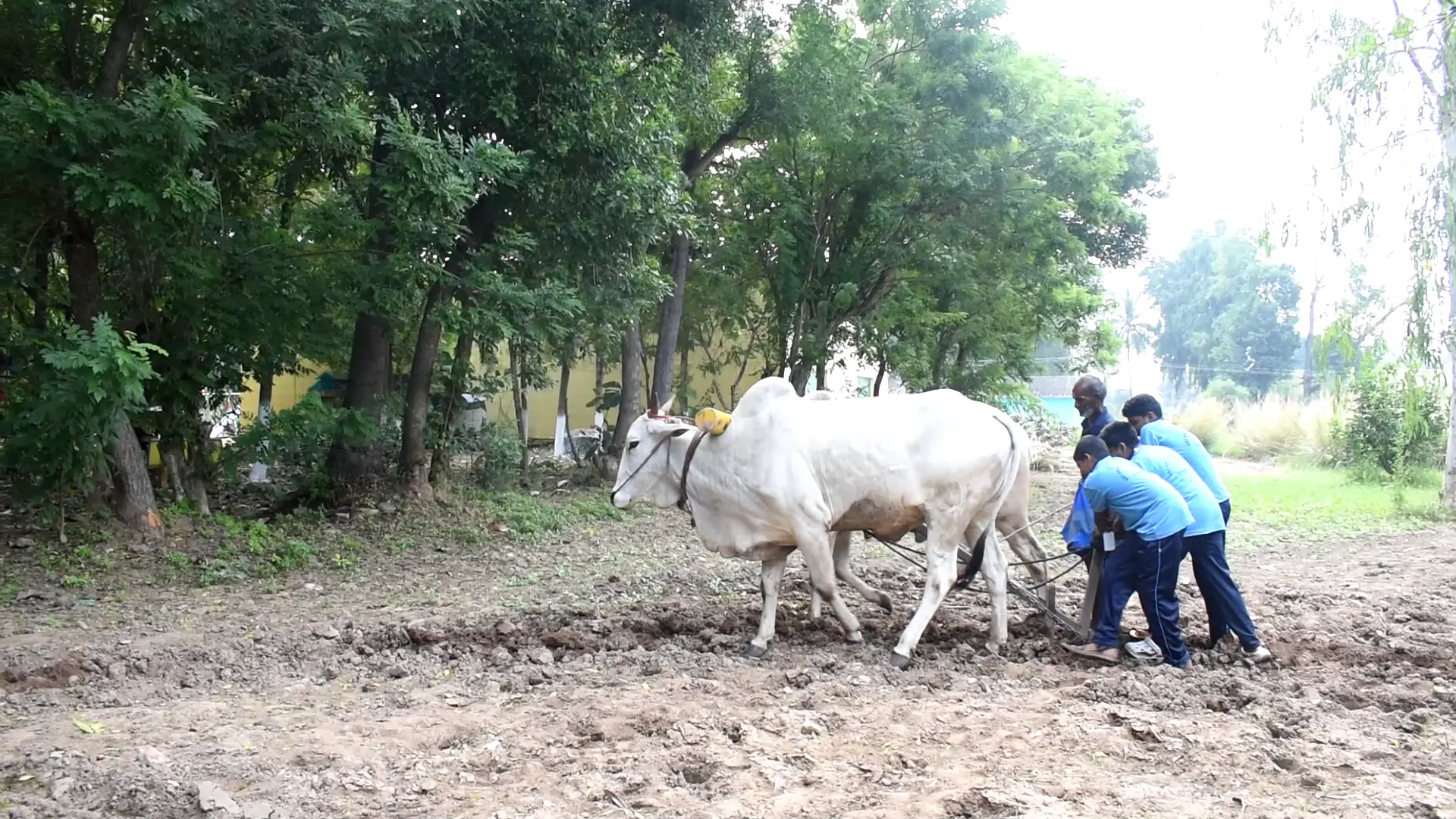

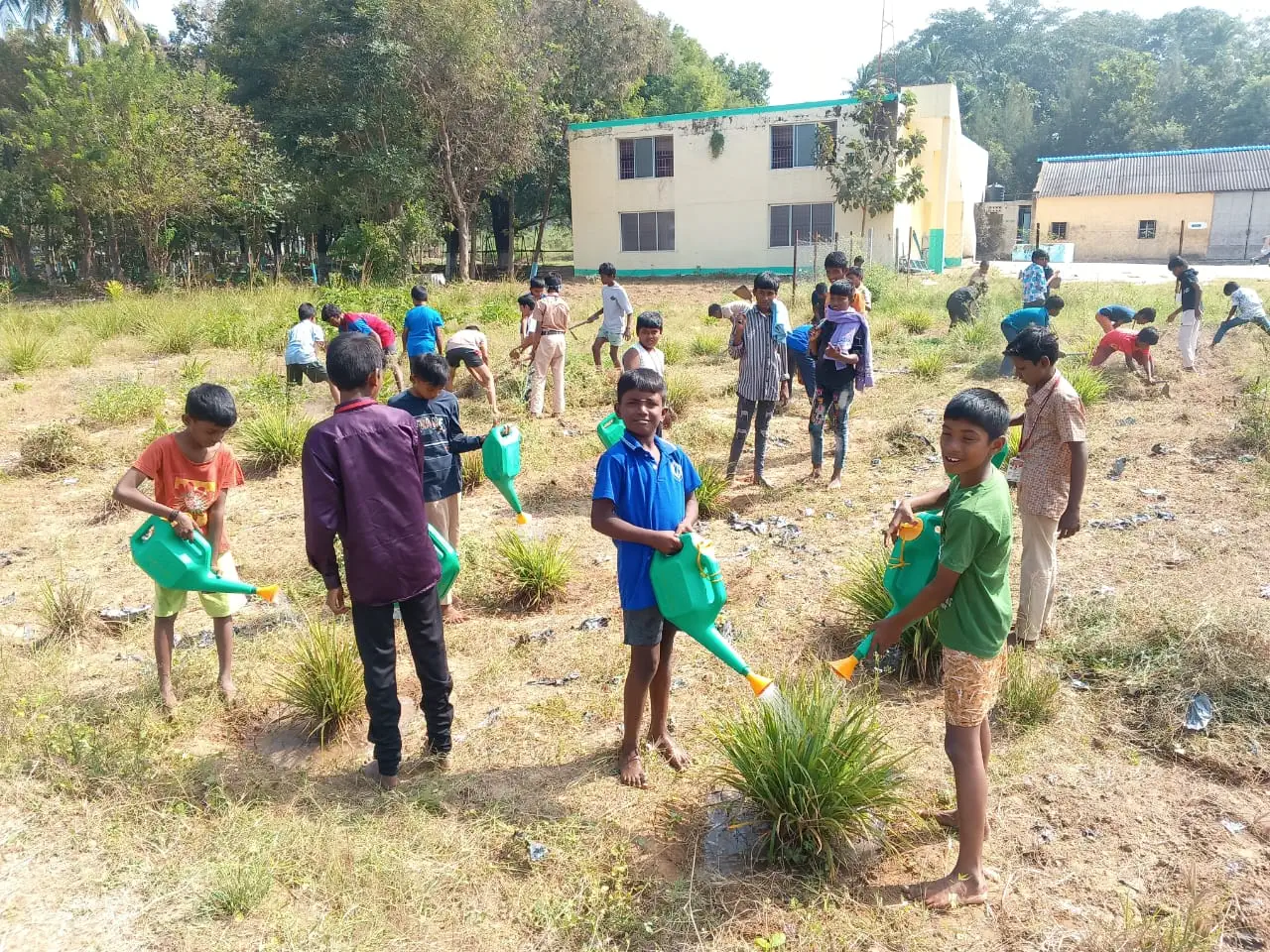
Visitors can take part in guided field walks, where they move through crop fields and learn to identify different plants, understand crop stages, and observe how soil, water, and sunlight influence growth. They may also engage in simple field tasks such as sowing seeds, transplanting seedlings, watering plants, and removing weeds, giving them a real feel of farm work.
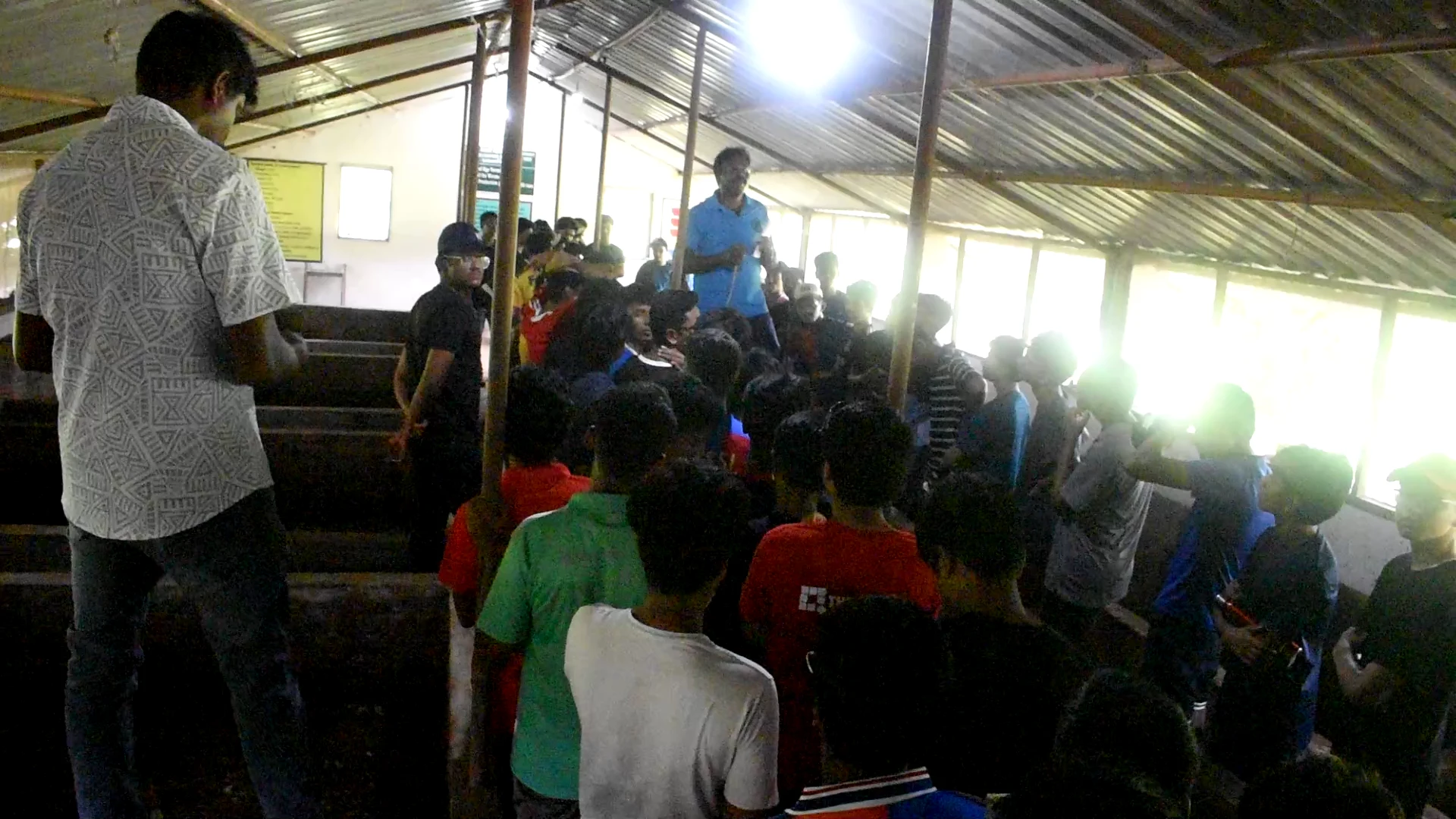
In designated areas, visitors can participate in planting activities, where they prepare the soil, place saplings, and learn proper spacing and care methods. They are also introduced to composting practices, where organic waste like leaves and farm residues are collected, arranged, and converted into natural manure. This helps them understand waste management and soil enrichment in a practical way.
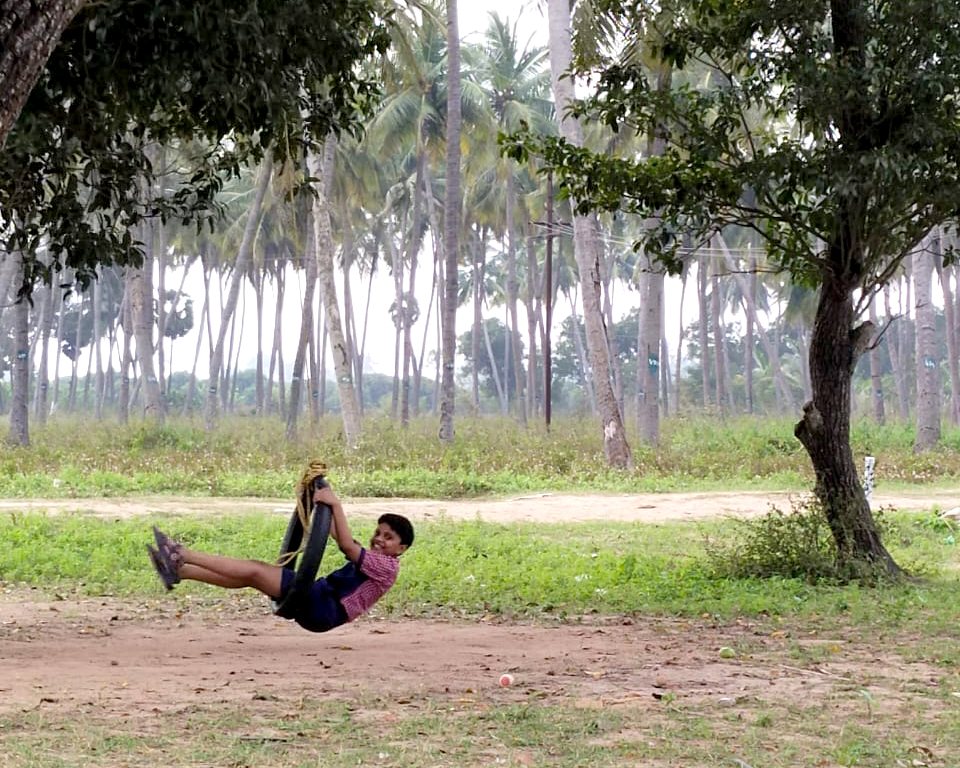
Visitors can also explore water and soil conservation practices, such as observing irrigation methods, understanding water usage, and learning how soil is protected from erosion. In eco-trails, they may observe insects, birds, and other small organisms, learning how each plays a role in maintaining ecological balance.
These activities are conducted in a simple, guided manner so that visitors of all ages can participate comfortably. By engaging directly with the field and natural resources, visitors gain a deeper understanding of sustainable agriculture, environmental care, and the effort involved in maintaining a healthy ecosystem.
Fill in your details and we'll confirm your booking shortly
Thank you! We've received your booking request and will get back to you within 24 hours.