Archives: Why Visit Hub

  • Eco Adventures

    Eco Adventures

    Eco Adventures

    Eco Adventures​

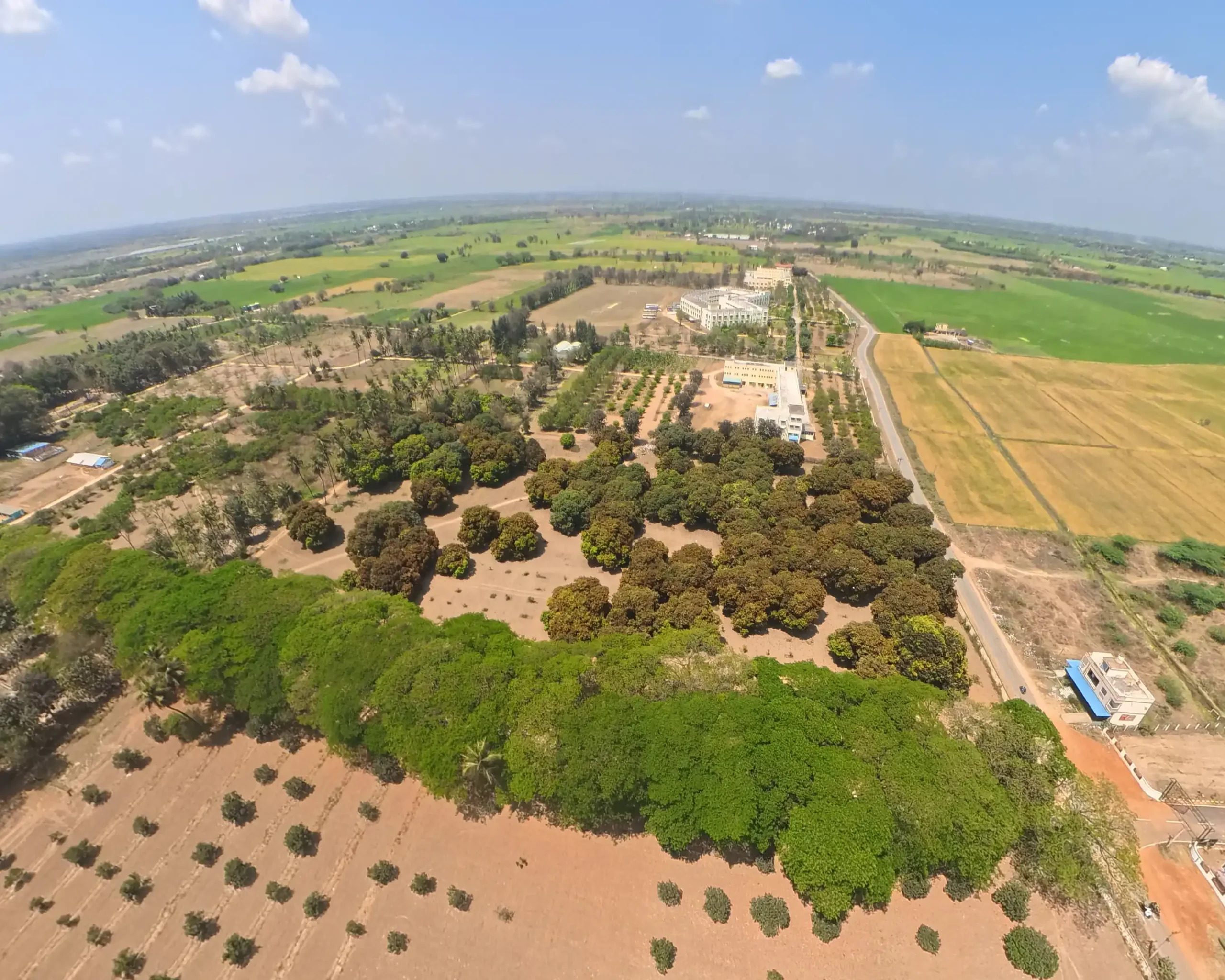
    At DB Nature Hub, eco adventures are designed as active, hands-on experiences where visitors don’t just observe natureβ€”they step into it and work with it. These activities help visitors understand how the land is cared for and how natural systems function in real life.

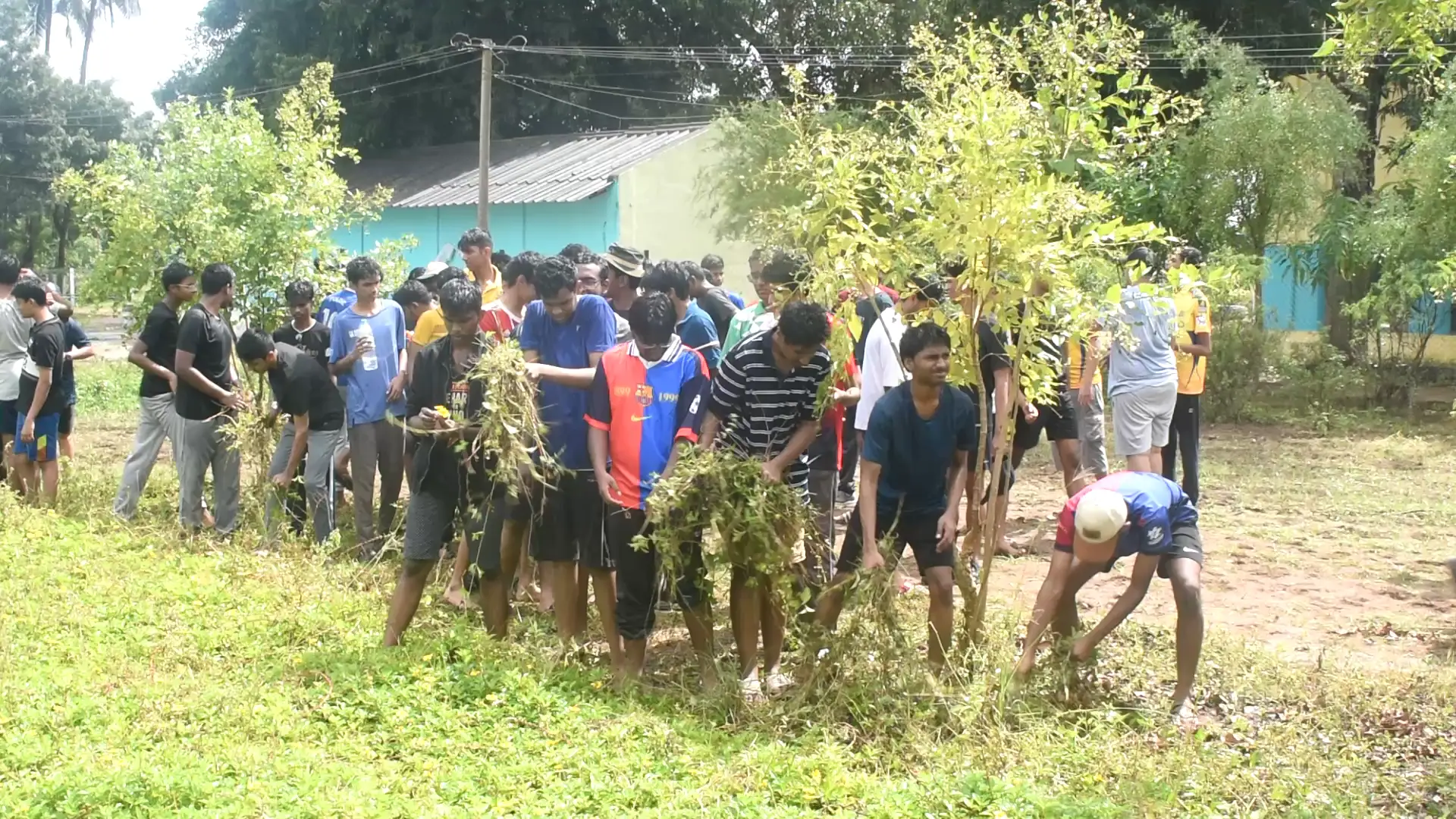
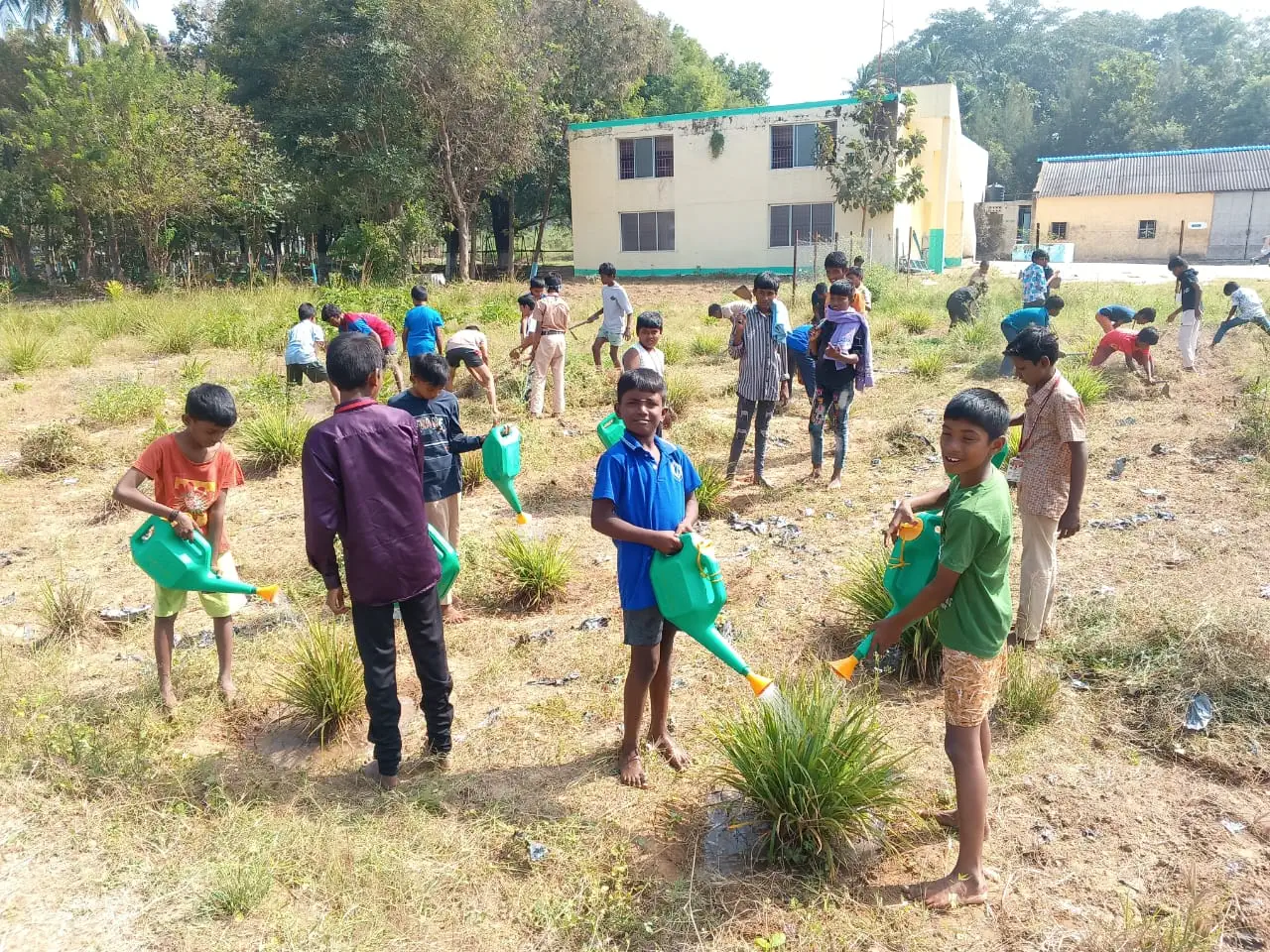
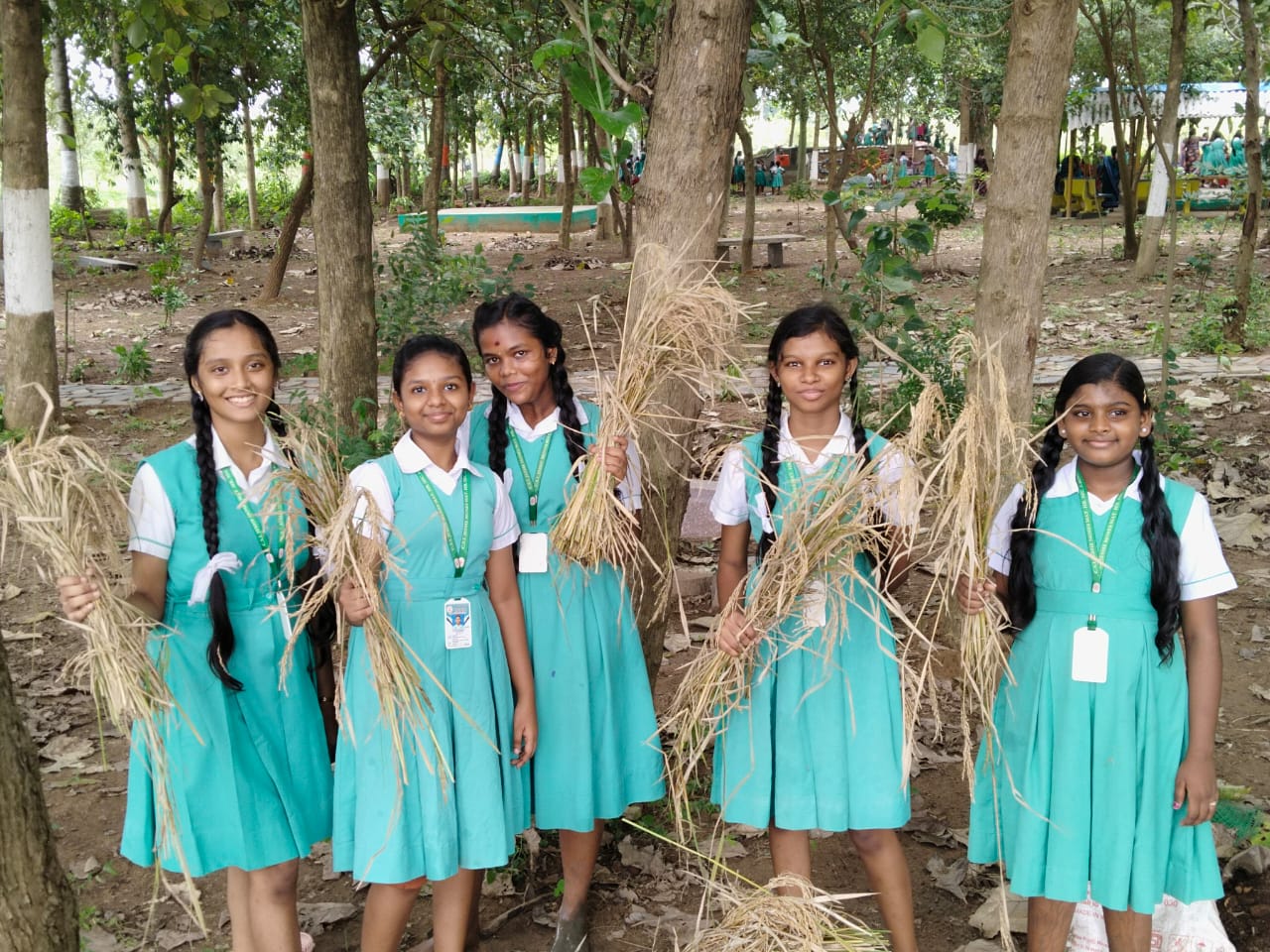
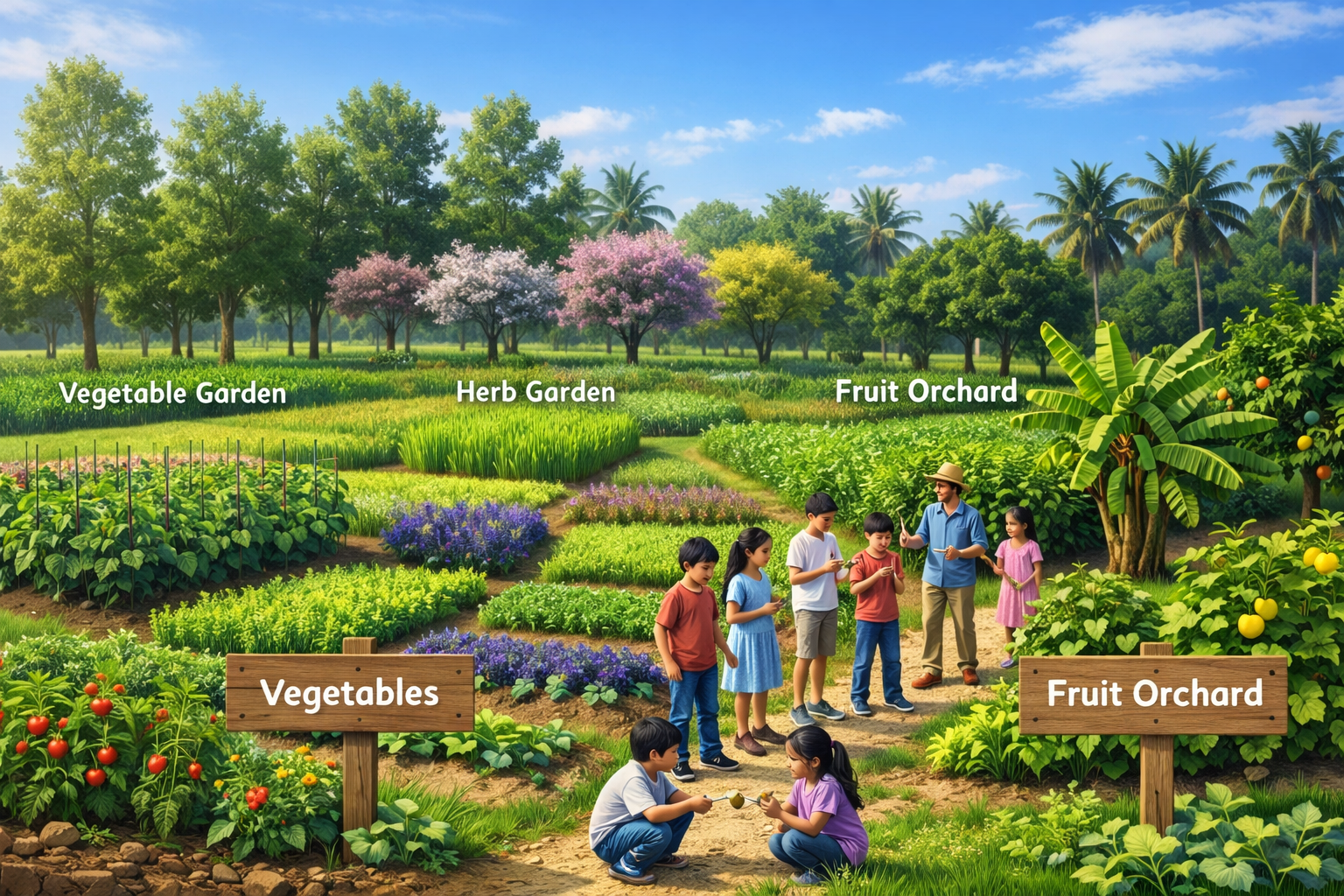
    Visitors can take part in guided field walks, where they move through crop fields and learn to identify different plants, understand crop stages, and observe how soil, water, and sunlight influence growth. They may also engage in simple field tasks such as sowing seeds, transplanting seedlings, watering plants, and removing weeds, giving them a real feel of farm work.

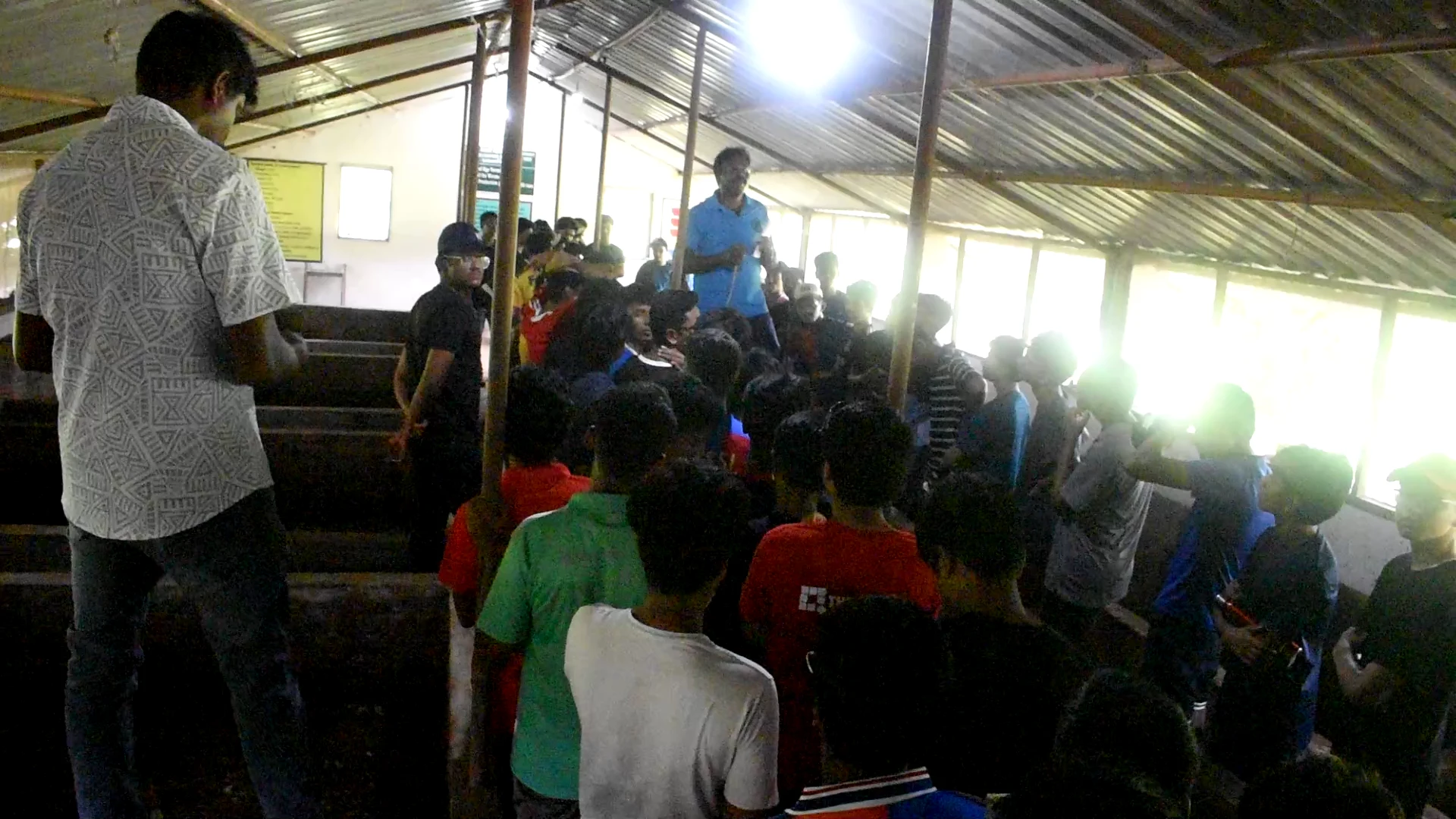
    In designated areas, visitors can participate in planting activities, where they prepare the soil, place saplings, and learn proper spacing and care methods. They are also introduced to composting practices, where organic waste like leaves and farm residues are collected, arranged, and converted into natural manure. This helps them understand waste management and soil enrichment in a practical way.

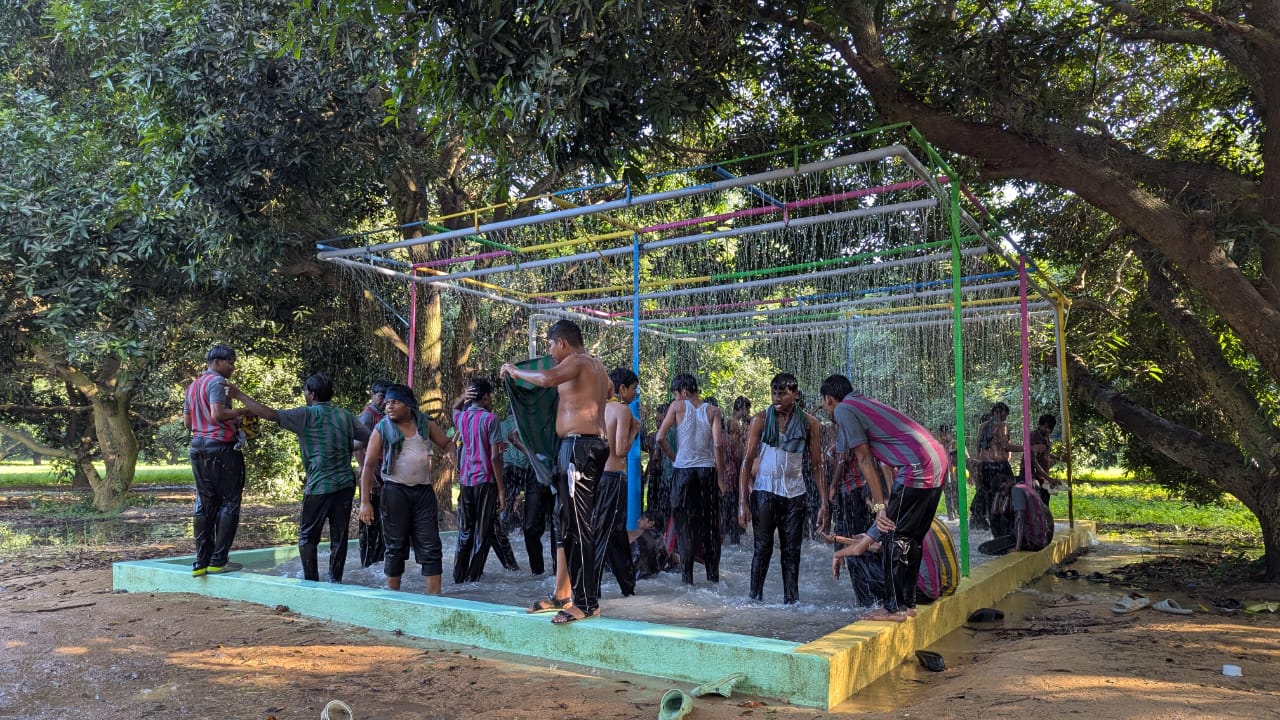
    Visitors can also explore water and soil conservation practices, such as observing irrigation methods, understanding water usage, and learning how soil is protected from erosion. In eco-trails, they may observe insects, birds, and other small organisms, learning how each plays a role in maintaining ecological balance.

    These activities are conducted in a simple, guided manner so that visitors of all ages can participate comfortably. By engaging directly with the field and natural resources, visitors gain a deeper understanding of sustainable agriculture, environmental care, and the effort involved in maintaining a healthy ecosystem.Β 

  • Village & Animal Life

    Village & Animal Life

    Village & Animal Life

    Village & Animal Life

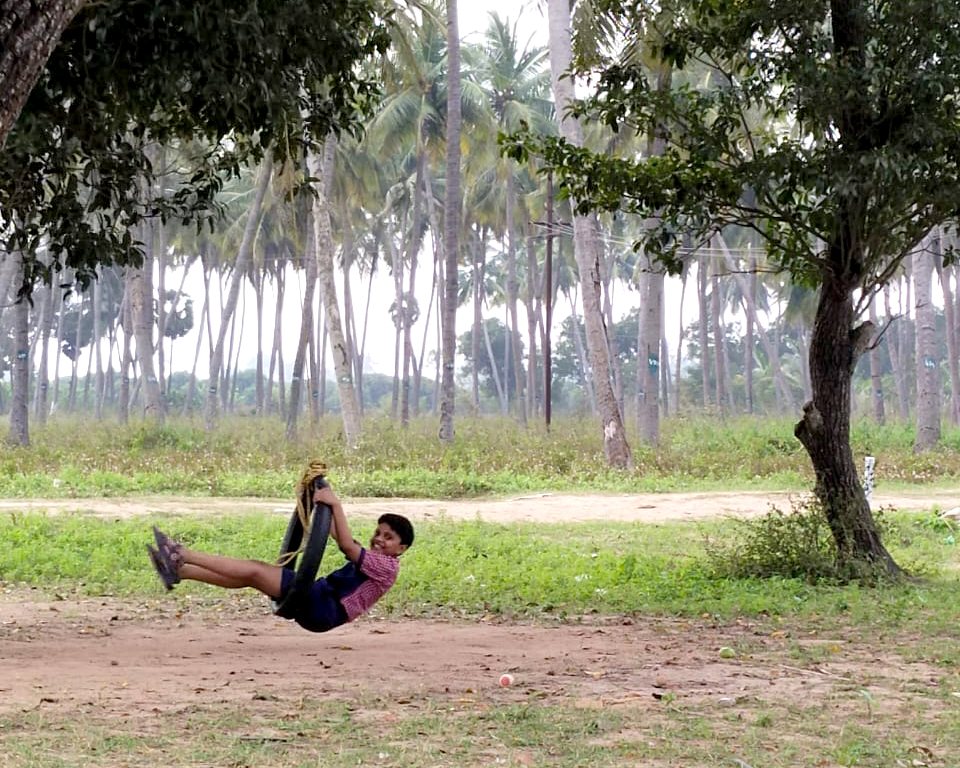
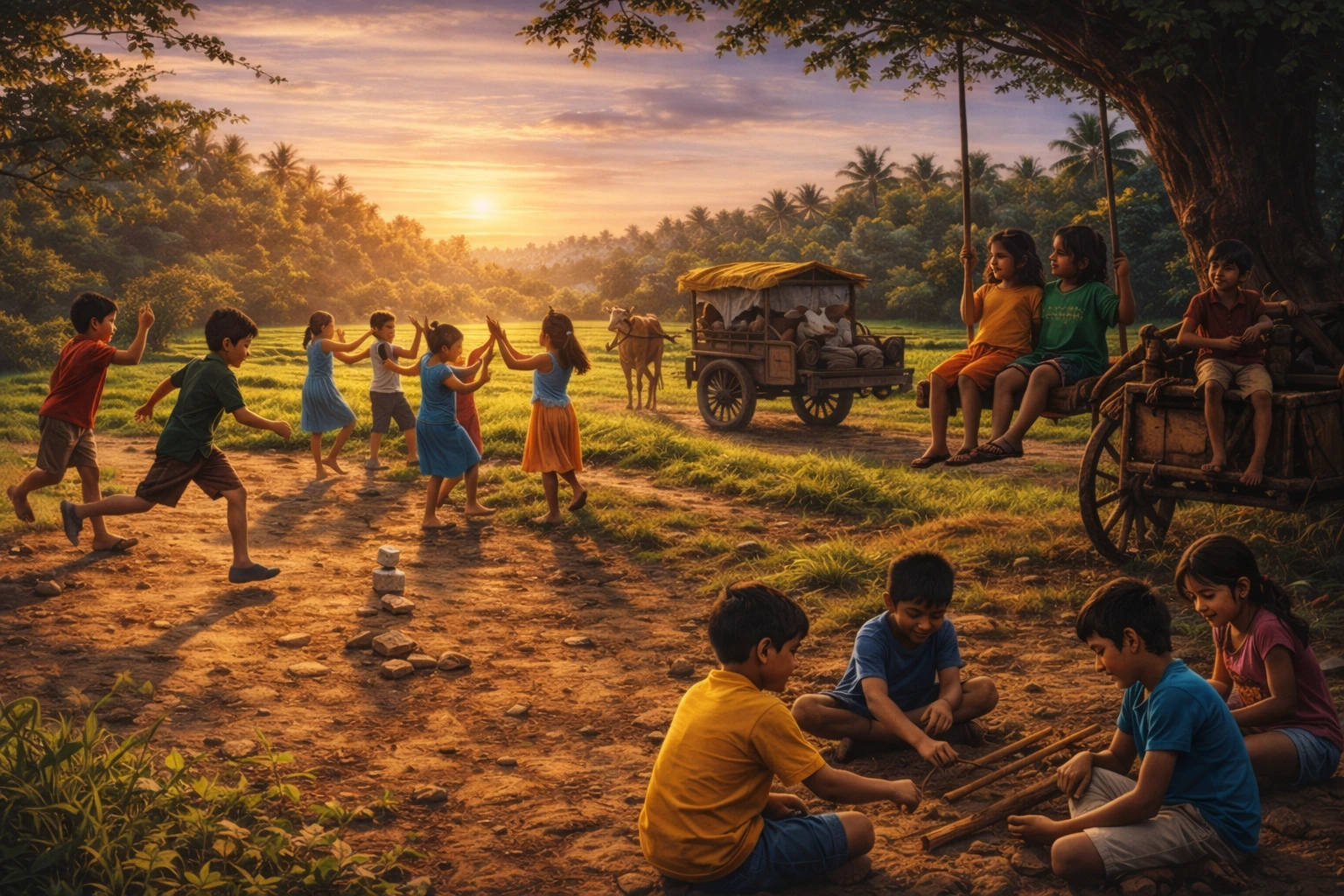
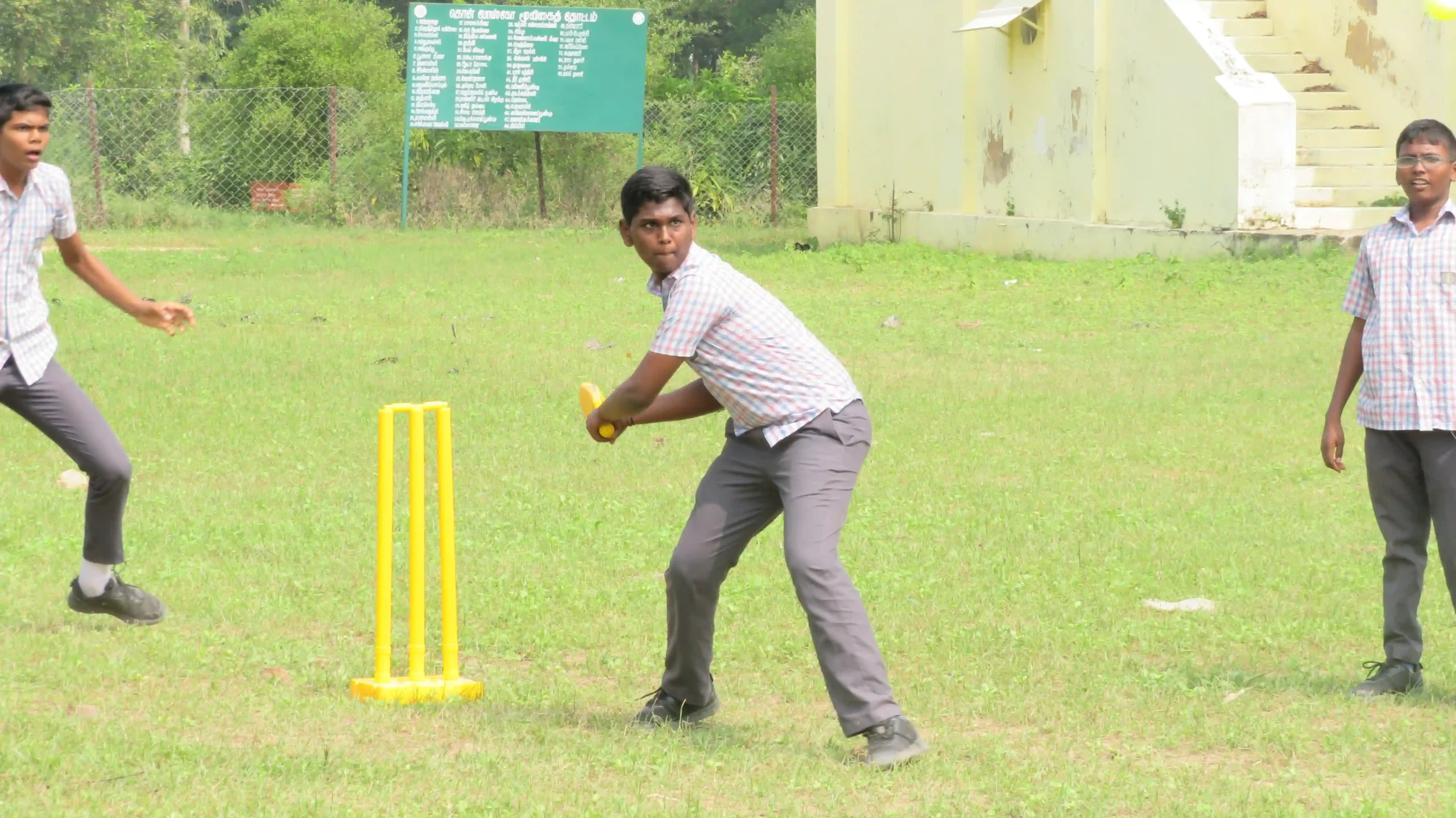
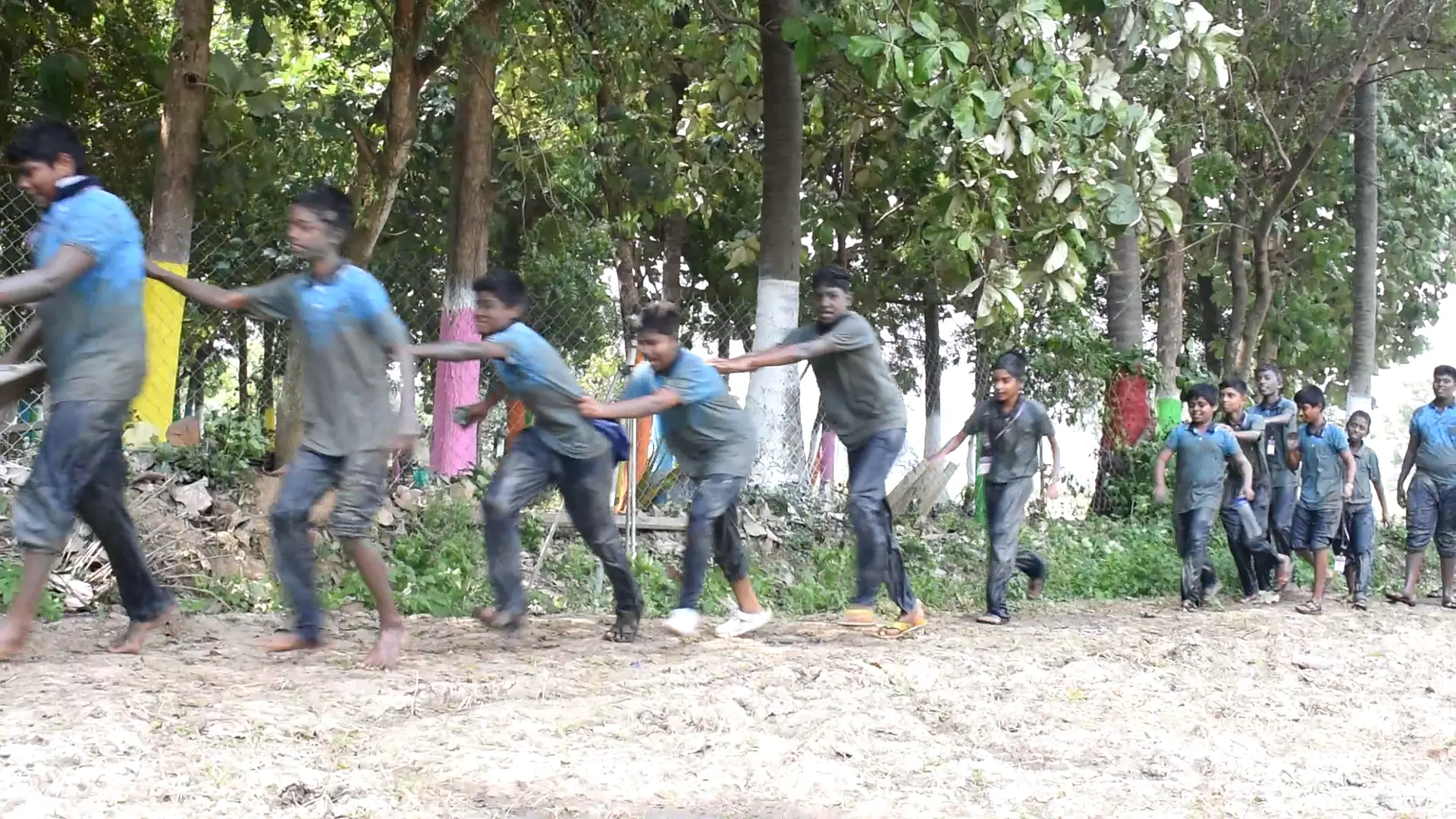
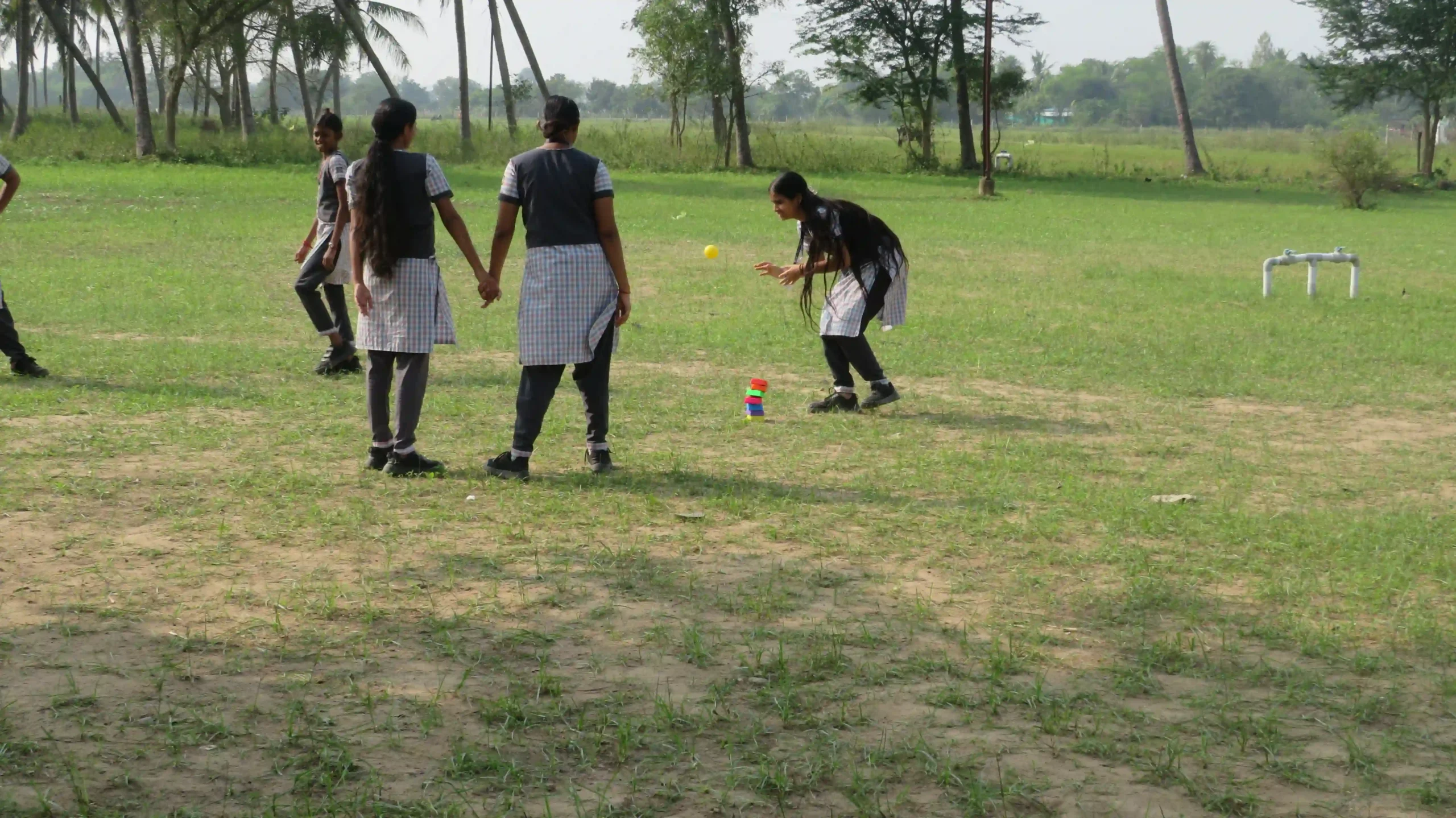
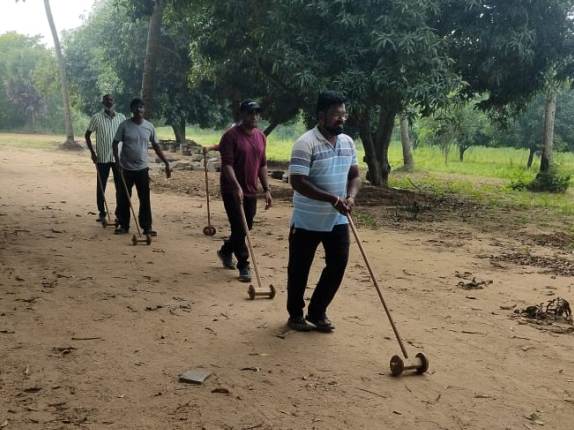
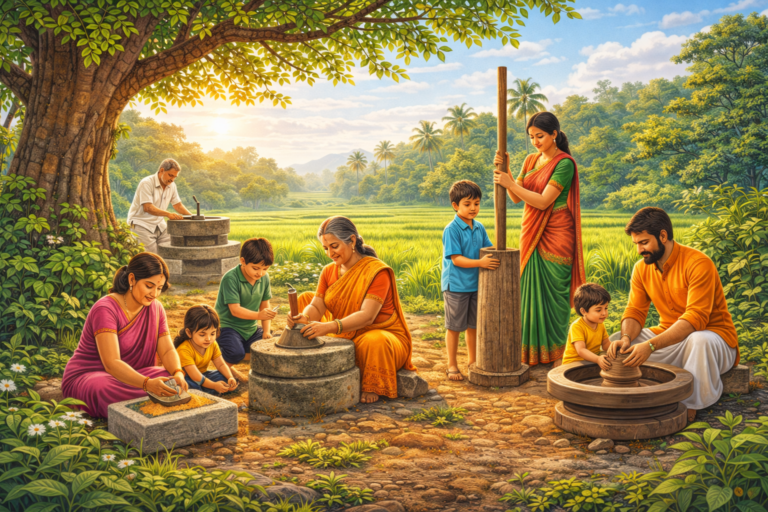
    The Village & Rural Life experience at DB Nature Hub offers visitors a chance to enjoy and understand traditional village activities in a simple, engaging, and meaningful way. Visitors can take part in classic games like pambaram (spinning top), gilli-danda, pallanguzhi, and kabaddi, which were once a regular part of rural childhood. These games are easy to learn, encourage teamwork, improve coordination, and bring a lively, energetic atmosphere for both children and adults.

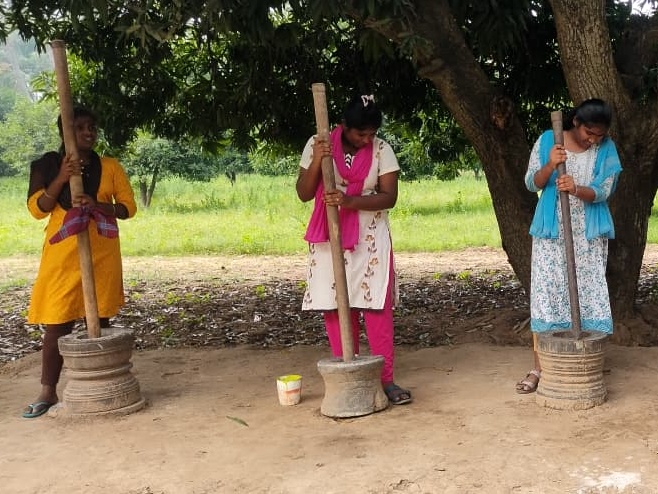
    Along with games, visitors can try small hands-on rural activities such as drawing water using traditional methods, carrying light farm tools, and participating in basic farm tasks like sowing or watering plants. These experiences help visitors understand the effort and routine behind everyday village life.

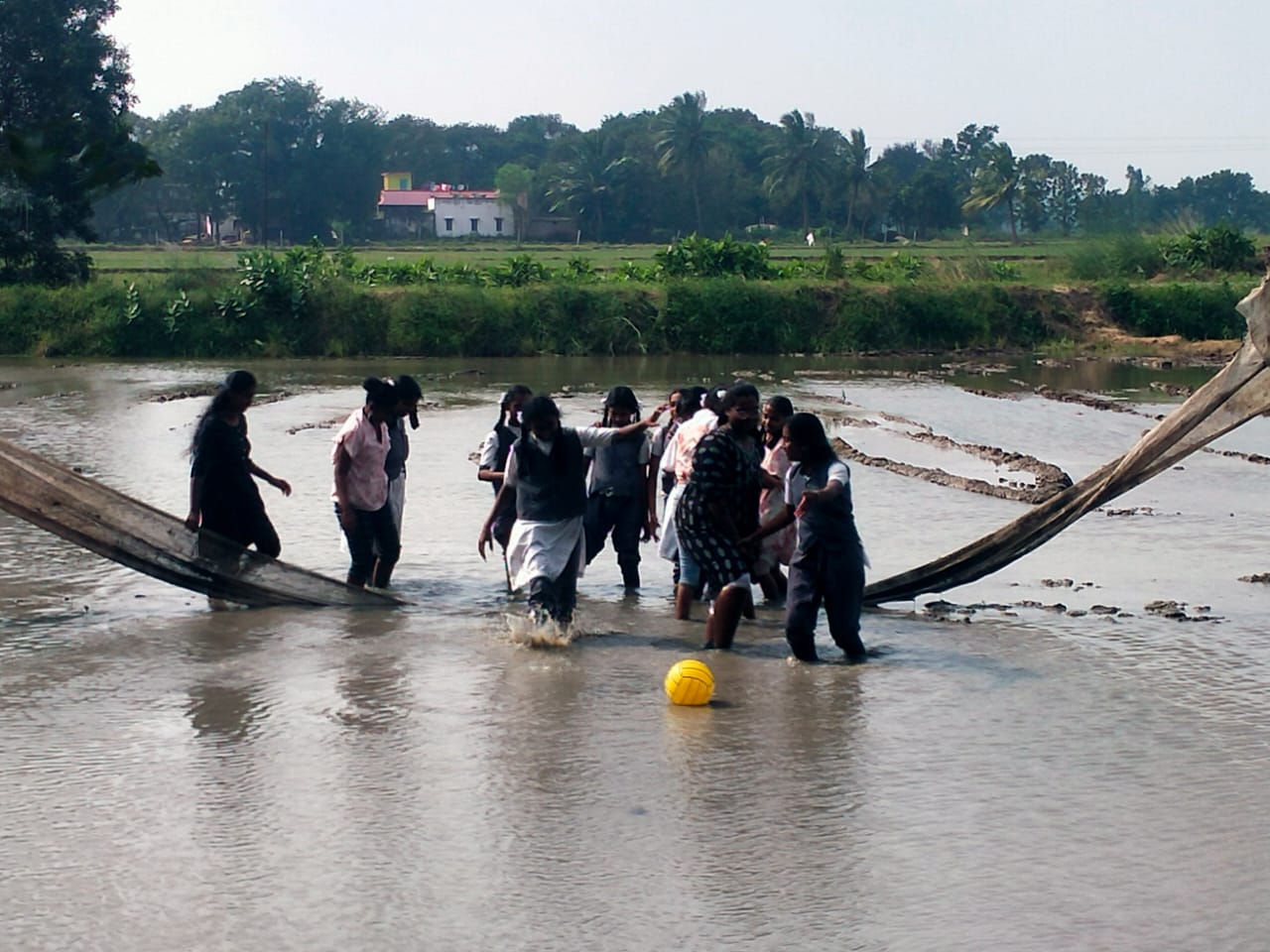
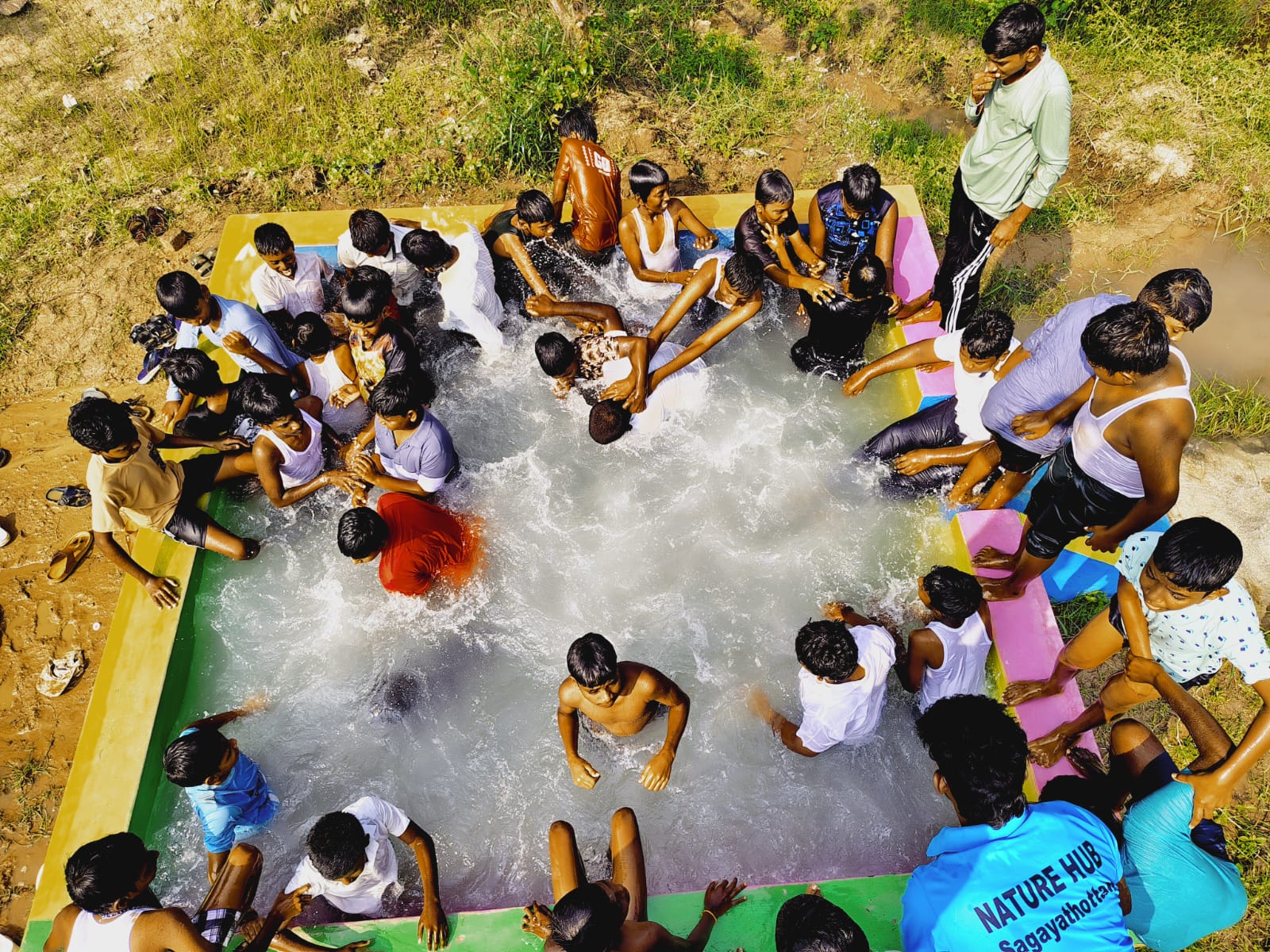
    Visitors can also enjoy mud play, open field games, and group activities, which allow them to relax, connect with nature, and spend quality time together. Overall, this section highlights the beauty of traditional rural lifestyle, outdoor play, and cultural experiences, making it a perfect blend of fun, learning, and real-life village exposure. 🌾🏑🌿

  • Educational Farm Tours

    Educational Farm Tours

    Educational Farm Tours

    education farm tours

    Educational Farm Tours at DB Nature Hub are designed to make learning simple, practical, and engaging by combining field experience with guided explanation and observation.

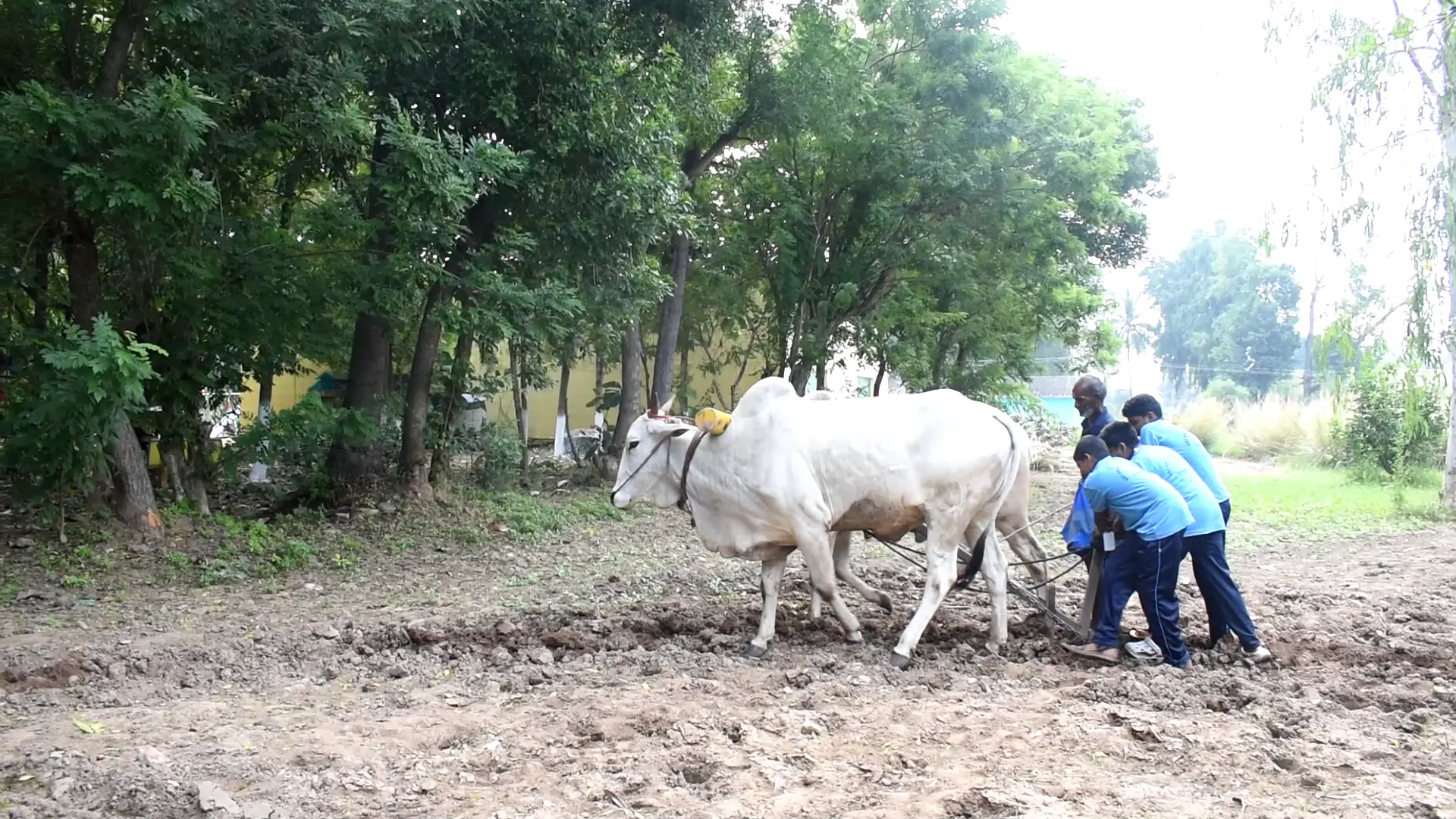
    Visitors are first taken through farm fields, crop areas, and gardens, where they learn directly from live demonstrations. They can see how soil is prepared, how seeds are sown, how irrigation is managed, and how crops are maintained and harvested. Farm staff explain each step in a clear and relatable way, helping visitors understand concepts like sustainable agriculture, composting, and the farm-to-table process.

    As part of the tour, visitors also explore the museum, including the Insect Museum, which adds a deeper level of understanding. Here, they can observe preserved insect specimens and learn about beneficial insects, pests, and their role in agriculture. The museum also displays traditional farming tools and agricultural exhibits, helping visitors connect real farm practices with scientific knowledge.

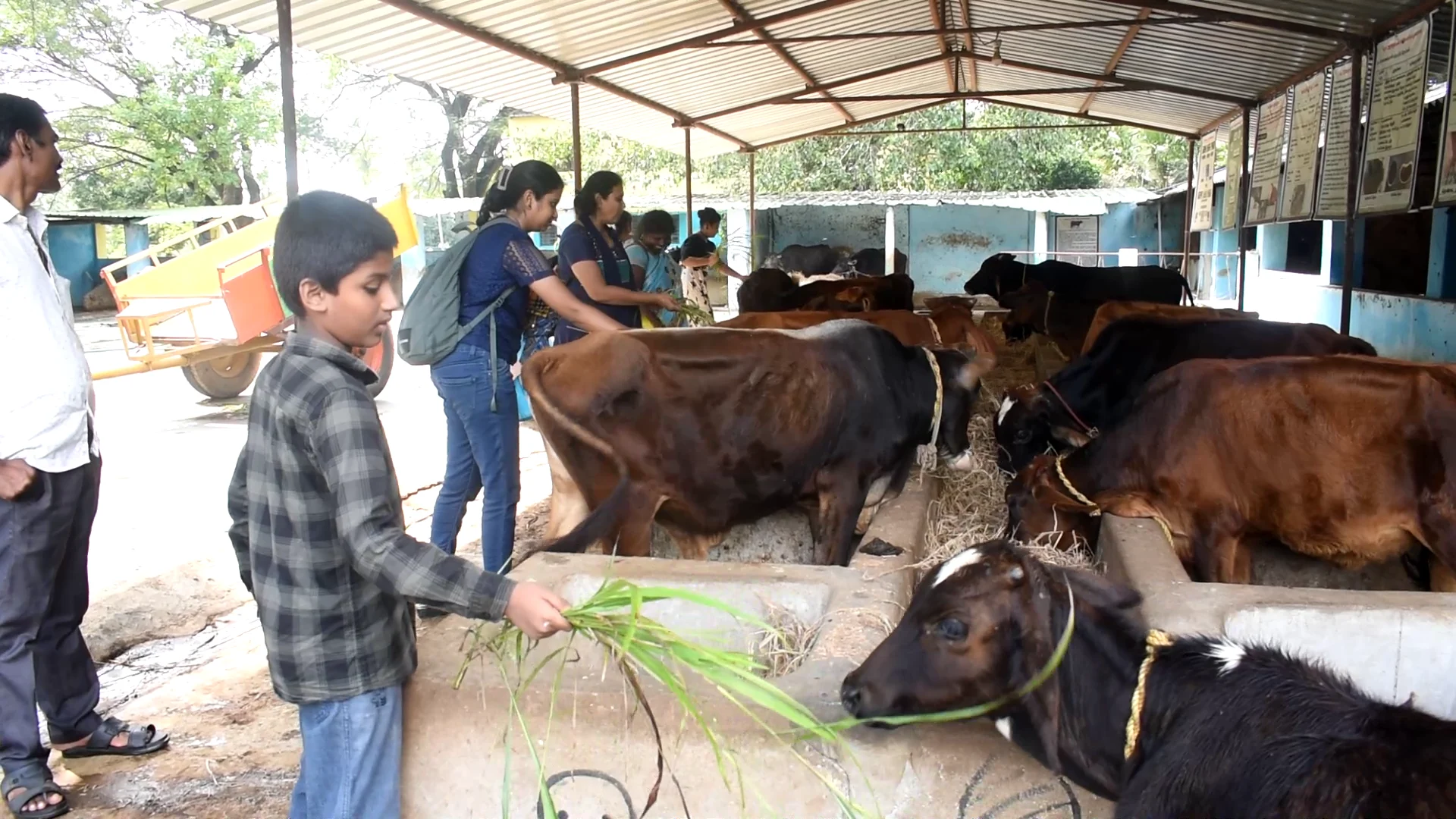
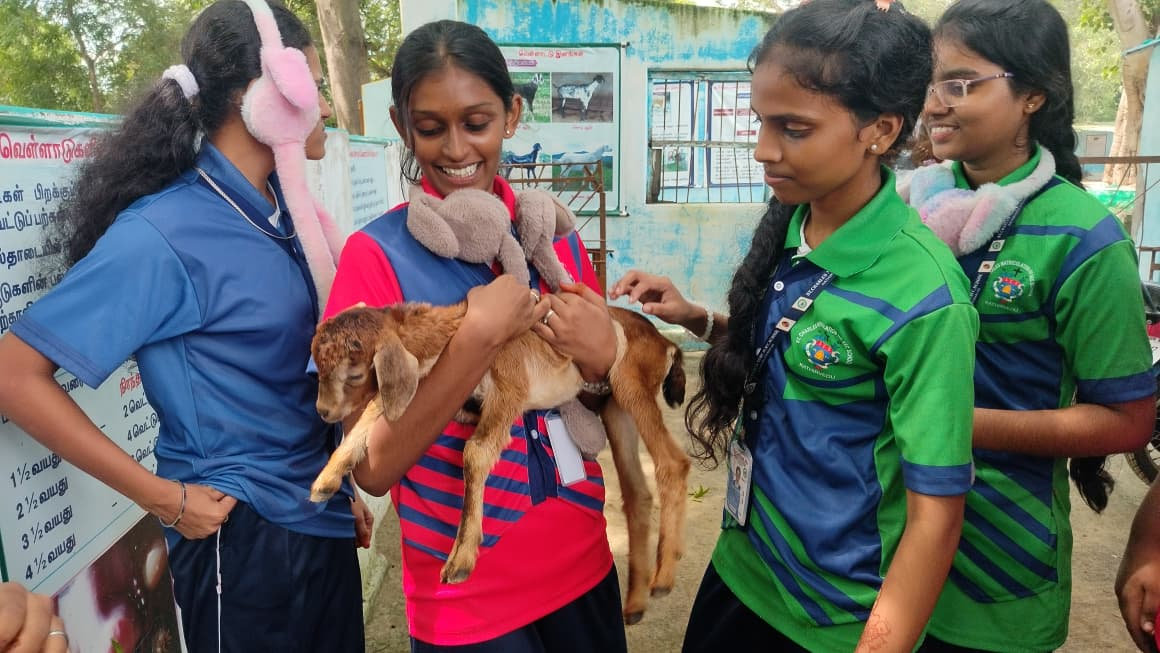
    During the tour, visitors learn about different crops, plant varieties, soil health, water management, farm animals, and ecological balance. They also see how animals contribute to farming through products like milk and manure, supporting a sustainable system.

    Learning happens through a mix of seeing, doing, and interacting. Visitors can try simple activities like planting, watering, and engaging with farm environments while also observing and asking questions. This combination of field experience and museum learning makes the tour more complete, helping visitors clearly understand and remember what they learn.

    Overall, the Educational Farm Tour at DB Nature Hub offers a well-rounded experience where visitors not only gain knowledge but also experience agriculture in a practical and meaningful way.